
You’re trying to write a report, but then the washing machine buzzes, a package arrives, and your child requires scissors. Ten minutes pass, and you are still looking at a blank page. Does this happen to you?
According to Standout CV, 55% of UK people feel they concentrate better at home. But, domestic settings pose a distinct challenge, as they require striking a balance between maintaining quiet concentration and managing the unpredictability of background noise and movement.
When you are constantly interrupted, it is hard to concentrate. Every interruption makes your brain switch to something else, which wastes time and energy. To get better at this, you must be deliberate about your environment. This starts with how you manage what you sense around you.
At Live Empowered, we help you reach your potential. Our expert guidance will help you achieve your goals and build strong relationships.
How Rooms Shape Your Focus
Deep work needs long periods of uninterrupted focus. However, home life often makes this difficult. Your partner might walk by, your phone could buzz, or the dog might need to go out just as you are having a great idea. Each little break means your brain has to re-focus, which uses up more energy than you might think.
A 2026 Yomly report found that around 30% to 40% of remote workers find it hard to focus due to household distractions such as family members, pets, or chores. This data reflects a reality most remote professionals already face: the problem is not a lack of motivation, but rather that proximity to home life makes deep concentration difficult.
Your brain associates places with activities. Working from your bed could confuse your body, making it challenging to sleep. Similarly, a kitchen table is associated with meals and calls, which can prevent you from completely entering “work mode.” A dedicated workspace helps eliminate this confusion, signalling to your mind that it’s time to focus.
Tips to Build a Distraction-Free Work Zone
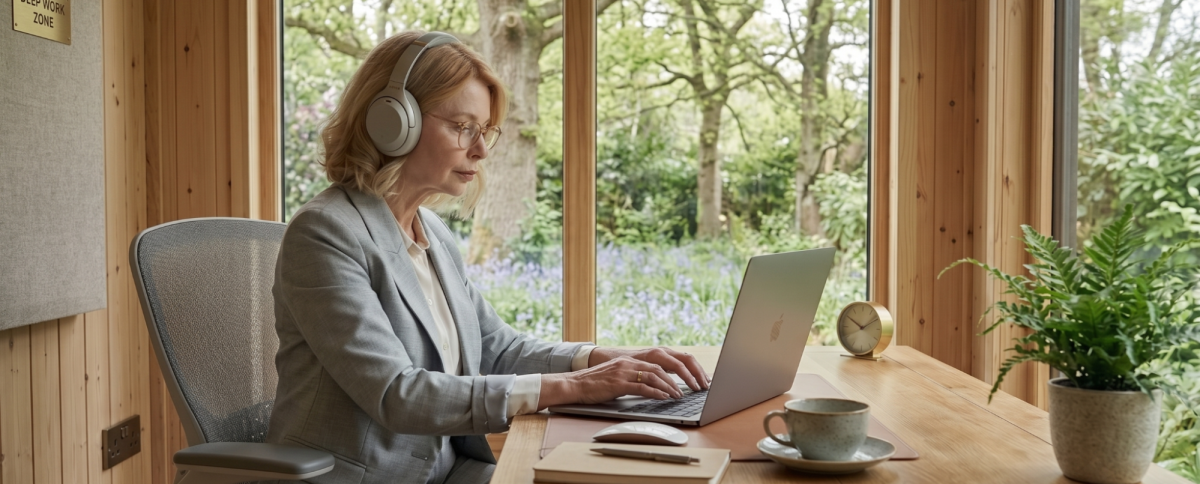
Creating a space that helps you focus requires more than just cleaning your desk. You need to think about the light, sound, temperature, and layout altogether. Researching the practical layout options and the estimated cost of building a garden room before you even start gives you clarity on the financial commitment against the long term value of uninterrupted professional focus.
Once you have the costing sorted, here are some tips to build a distraction-free work zone:
- Choose North Facing Natural Light
Light from a north-facing window is gentle and consistent all day. It does not have the bright and direct sun that east or west windows get at different times. Place your desk so the light shines on your work area, not directly in front of your eyes. This helps avoid tired eyes and headaches when you are working on a screen for a while.
- Set a Stable Room Temperature
When a room is either too hot or too cold, it is just as distracting as noise and makes it hard to concentrate. It is actually best to keep the temperature steady, between 19 and 21 degrees Celsius. Cooler air helps you stay alert, but if the room gets warm and stuffy, you will most likely feel sleepy within an hour.
- Strip Back All Visual Clutter
Having a desk filled with old mail, extra chargers, and half-empty coffee mugs can feel stressful right from the start of your workday. To make your space more inviting, try to keep your desk well-organised and tidy. Just having a plain wall, a neutral coat of paint, and a simple tray for your papers can help create a calm and peaceful environment.
If you’re looking for a simple way to reduce distractions in your workspace, take a look at this guide. It provides helpful tips for organising your environment to improve focus and productivity.
- Separate the Sound Zone Fully
Bringing in soft items such as rugs, curtains, or fabric-covered boards can make a room quieter. These materials absorb sound and reduce echoes from hard floors and bare walls. A silent space can help you feel more relaxed, even before any interruptions, like a phone call or a notification.
- Draw a Physical Work Boundary
A closed door lets everyone in the house know that work is taking place. When internal modifications fail to provide the quiet you need, looking outside to your own lawn or patio is a sensible option.
Conclusion
Even though noise-cancelling headphones and a tidy desk can help for a little while, to really focus, you need to clearly separate your work time from your relaxation time. When you make different areas for each, your brain will naturally link that space with focused work.
Want to improve your focus? Create a quiet space in your home or garden where you can concentrate. Start building a distraction-free zone now to boost your creativity and productivity. Your perfect workspace is ready to be set up. If you have any questions, contact us at Live Empowered now.