
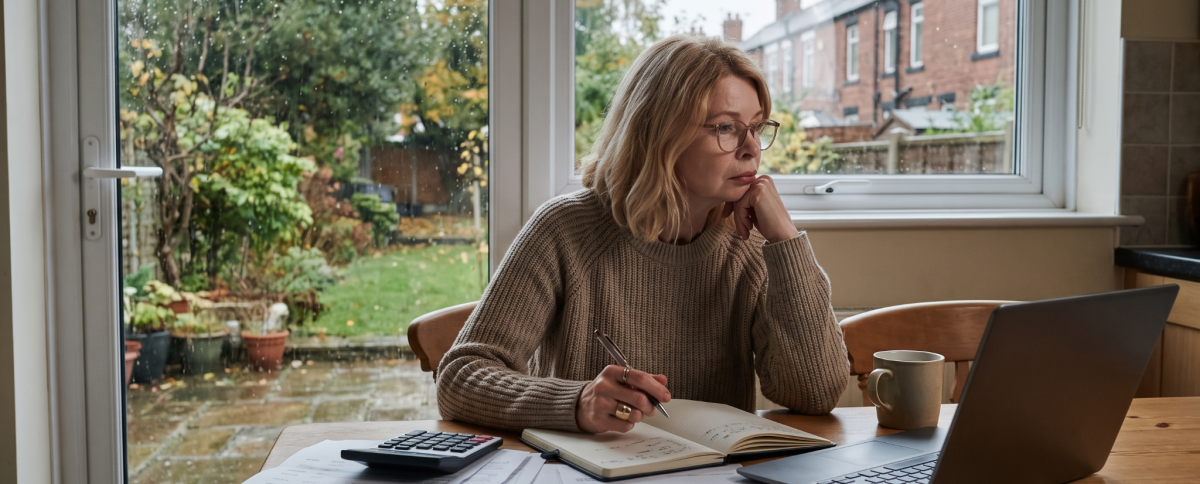
Opening unread mail can make you feel anxious, bringing a racing heart and a heavy feeling in your chest. According to StepChange, two out of five (40%) British adults expect their personal finances to get worse in the next year. This highlights how many households currently feel the strain of rising costs and economic uncertainty. When you have a lot of unpaid bills, your brain chemistry can change fast. High stress puts your body into survival mode, which makes it challenging to make good decisions. You might avoid looking at your bank account because not knowing feels easier for a little while. This emotional weight is closely tied to your mental wellbeing. A 2026 Money and Mental Health report found that 46% of people in debt have serious mental health problems. Keeping financial concerns hidden only makes your emotional stress last longer. Facing the truth about how much money you are spending can help you think more clearly and feel more confident.
Constant money worries drain your energy, making everyday tasks feel exhausting. You do not need to fix every financial issue at once. Taking back control starts with small, deliberate steps that ease your anxiety and offer steady relief.
At Live Empowered, we help you reach your potential. Our expert guidance will help you achieve your goals and build strong relationships.
Methods to Take Back Financial Control
Taking the first step can feel difficult, but these practical, manageable methods can help you regain your sense of control and clarity:
Face Your Numbers Directly
Gather all your bank statements, utility bills, and important letters from home. Once you have everything, grab a hot drink to help you relax. Then, take a notebook and start writing down all your expenses. When you lay out your finances in front of you, it helps clear away any fear or uncertainty you might have. You will be looking at real numbers instead of just worrying about money.
Prioritise Your Most Urgent Bills
Put your important monthly bills into two groups on your kitchen table. The first group, your top priorities, should include rent or mortgage payments, council tax, utilities, and groceries. The second group should include credit cards, store accounts, and personal loans. Paying for your basic living needs first ensures that you have a safe place to live.
Stop Unnecessary Daily Cash Leaks
Take a look at your bank statement to find any monthly payments you might have just forgotten. You should cancel any streaming services, gym memberships, or additional software you are no longer using. Cooking at home and making your own coffee can save you a lot of money. Each bit of money you save gives you more financial freedom.
Talk Openly With Your Creditors
Banks like it best when you talk to them before you miss your monthly payments. Most banks in the UK can set up temporary payment plans or pause fees if you ask for help. A quick conversation on the phone can reduce how much you need to pay each month and prevent worrying letters about debt from coming to your home.
Seek Professional Advice Right Away
If you have a lot of debt, you need help from experts who know how to fix complicated money problems. Platforms like Insolvency Online (https://insolvency-online.co.uk/) offer tailored guidance for individuals facing unmanageable bills, formal debt agreements, or insolvency processes. Speaking to skilled professionals can help you learn about your legal options and feel confident about the decisions you make for your money.
Build a Small Emergency Buffer
When you are done with your weekly grocery shopping, put away a little bit of cash. Try to save five or ten pounds regularly in a savings account that earns good interest. This small amount of money can help you handle unexpected costs, like fixing your car, so they do not mess up your monthly budget.
For a practical perspective on setting up a household safety cushion, this guide offers helpful methods for creating a personal buffer.
Track Your Daily Living Expenses
Keep a small notebook with you for an entire week. Write down everything you spend money on, whether it’s snacks, bus rides, or drinks at your workplace. At the end of the week, reviewing your expenditures can help you see where you might easily cut back, allowing you to save money without feeling like you are giving up anything important.
Taking the First Step Toward Financial Freedom
Overcoming financial stress takes time, patience, and small, practical steps. Begin by listing every debt, talking to your creditors, and cutting back on non-essential spending. When debt feels unmanageable, seek professional advice. You can regain control of your finances. Take one positive step toward your financial security today. Want to have a chat? Contact us at Live Empowered now.